 Rick Baker
The concept of activation in physics, specifically referring to the amount of energy required for a collision between particles to be successful in breaking bonds and yielding products, offers a fascinating parallel to interpersonal human activation. At its core, activation in physics involves overcoming a certain energy barrier to initiate a reaction. Similarly, in human interactions, a form of ‘activation energy’ is often needed to spark meaningful connections or initiate change.
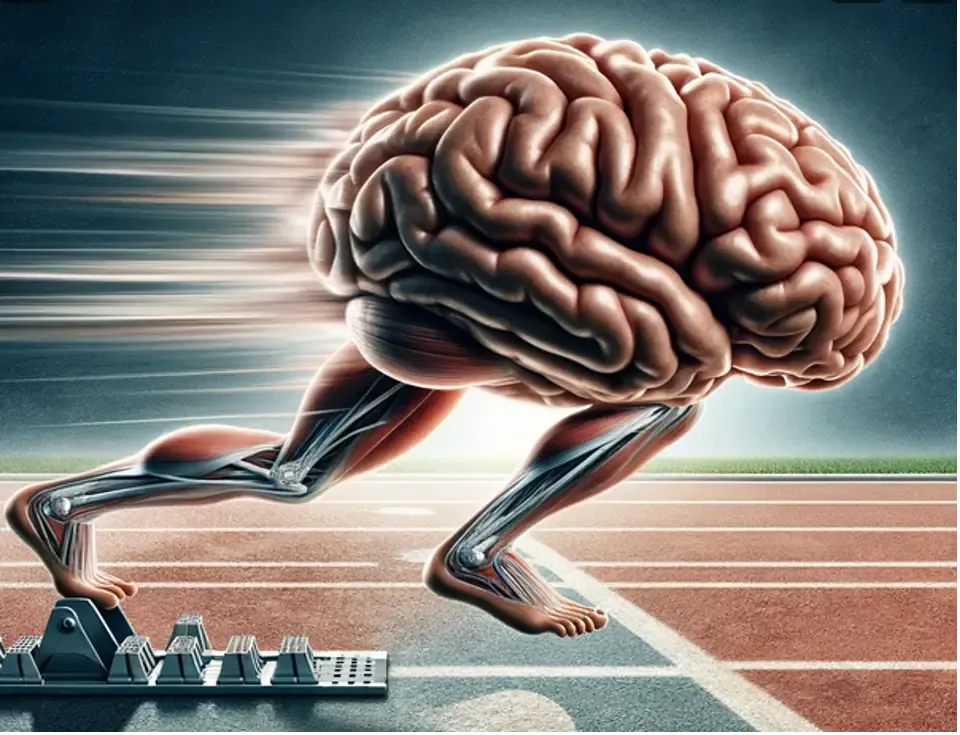
For human experiences, the ‘activation energy’ necessary for constructive change involves a blend of thought and action. Consider the activation to be a mental spark followed by decisive movements that transform ideas into reality. This dynamic can be observed in the way a compelling idea inspires action, like a grassroots movement ignited by a powerful concept, or how personal revelations lead to life-changing decisions. An initial thought acts as the catalyst. But it is confident and well-implemented actions that bring the successful outcomes.